
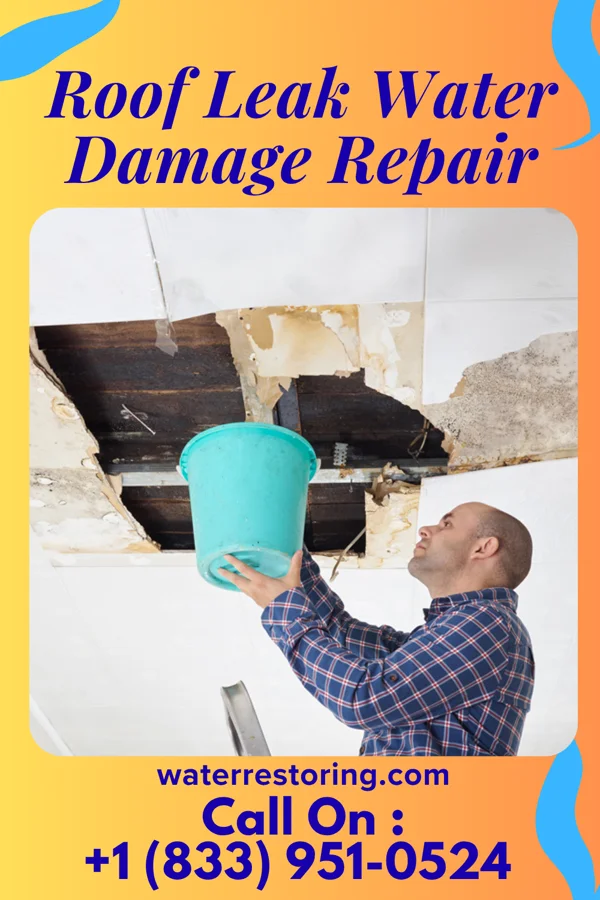
When Grand Forks Properties Need Roof Leak Repair
Water damage in Grand Forks usually starts with Grand Forks experiences frequent snowfall and freezing temperatures, which can cause ice dams to form on roofs. These ice dams trap meltwater, leading to water infiltration and potential roof leaks. Sudden temperature fluctuations also contribute to roofing material stress and damage.. A close second is The region is prone to heavy spring rains and summer thunderstorms, which can overwhelm drainage systems and cause water to seep through damaged roofing materials. High winds during storm events can also lift shingles or damage flashing, increasing the risk of leaks.. Professional restoration follows the IICRC protocol on every job. Assess. Extract. Dry. Sanitize. Document.
The combination of harsh winters, frequent snowmelt, and heavy rainfall in Grand Forks creates a challenging environment for roofing systems. Ice dams, water ponding, and wind-driven rain are common contributors to roof damage and water infiltration.
Water damage in Grand Forks follows a few local patterns. Grand Forks experiences frequent snowfall and freezing temperatures, which can cause ice dams to form on roofs. These ice dams trap meltwater, leading to water infiltration and potential roof leaks. Sudden temperature fluctuations also contribute to roofing material stress and damage. accounts for the bulk of our calls. The combination of harsh winters, frequent snowmelt, and heavy rainfall in Grand Forks creates a challenging environment for roofing systems. Ice dams, water ponding, and wind-driven rain are common contributors to roof damage and water infiltration. Mold can begin to grow within 48 hours of water exposure in Grand Forks, especially in damp, poorly ventilated areas like attics and crawl spaces. Prolonged moisture from leaks can lead to structural damage, compromised insulation, and health risks for residents.